Porsche 356B – Carrera 2 Cabrio
Completed in 2024
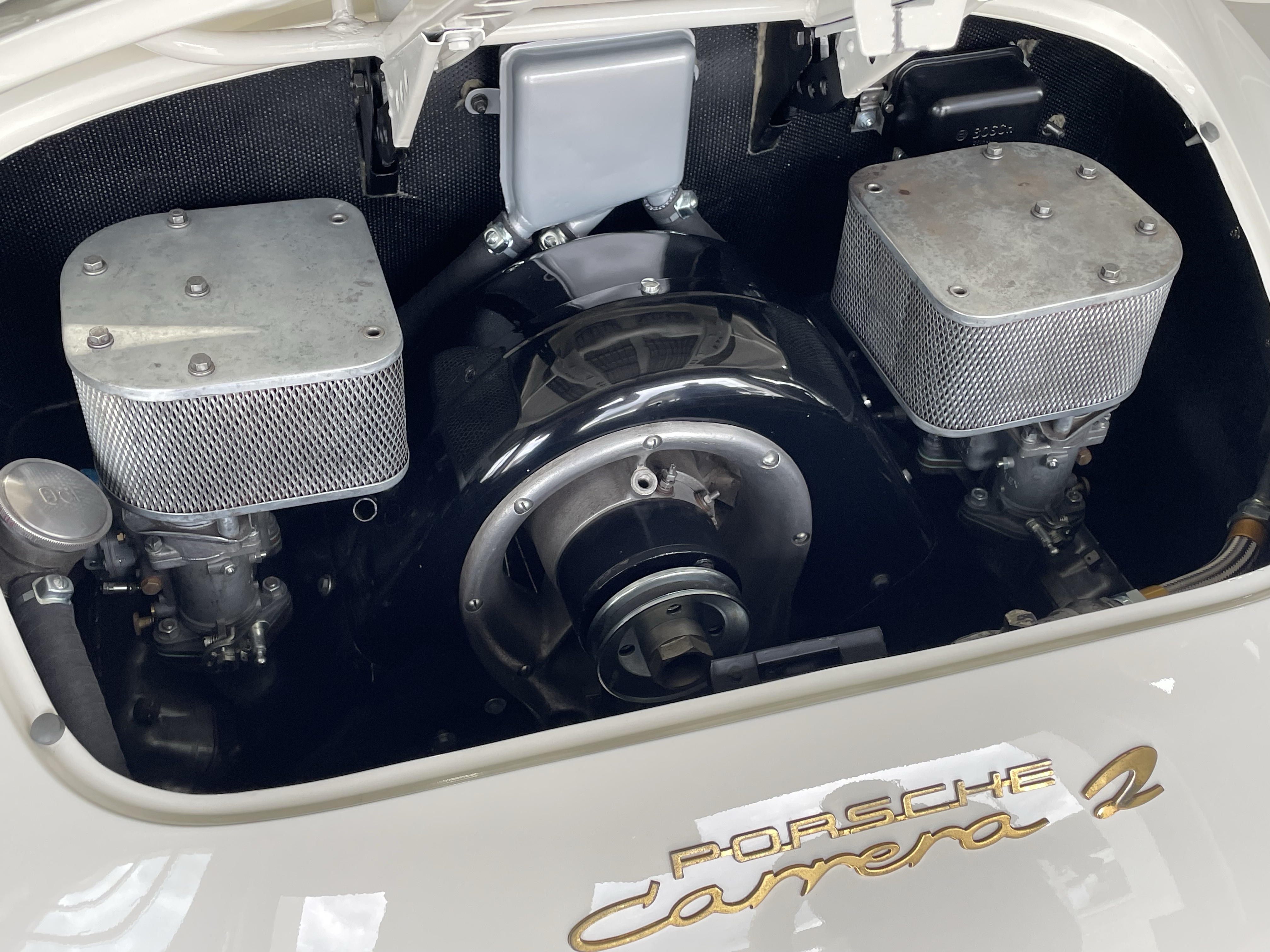
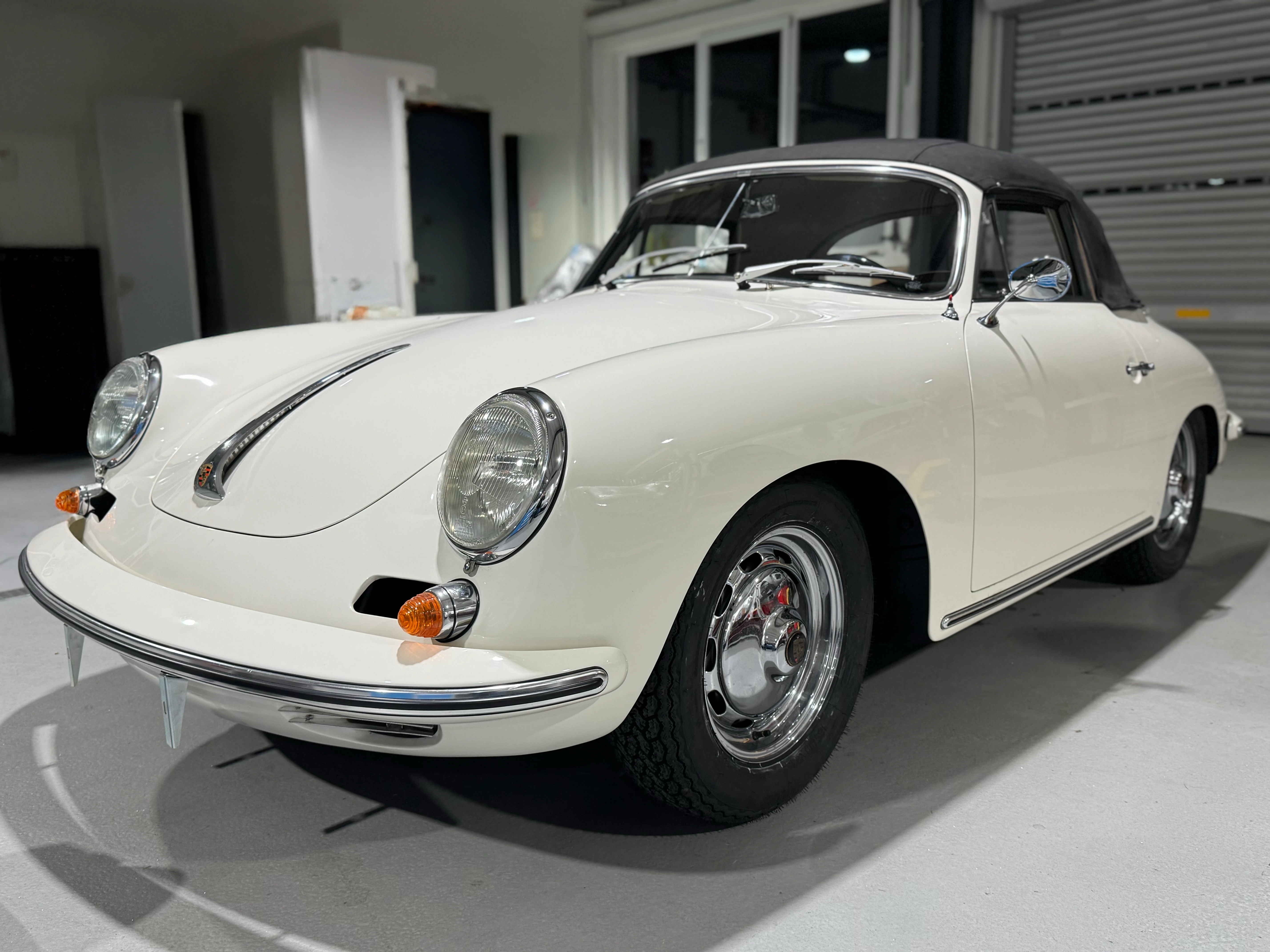
Hardly any other vehicle embodies the elegance and technical finesse of the early 1960s as impressively as the Porsche 356B Carrera 2 Cabriolet. The Carrera 2 was the only production model in the 356 series that could be ordered equipped with an engine driven by four camshafts—the “Königswellenmotor.” This engine endows the convertible with outstanding performance.
The preservation not only of its original paint color, 6204 – Ivory, but also the careful handling of the original components make the restoration of this convertible an authentic testament to its era and a very special project from the early Porsche era. The vehicle is one of only 67 examples delivered worldwide.
The restoration we carried out was guided by the goal of preserving the vehicle’s matured character while simultaneously meeting all technical and aesthetic requirements for continued, reliable operation—all while unconditionally maintaining its distinctive power delivery.
The original parts that were preserved and carefully refurbished over many hours include, for example: chrome trim, interior fittings, engine mounts, etc. This is the only way to preserve a historically valuable vehicle whose history lives on with an exceptionally high proportion of original parts.
Current Condition & Restoration Goals
When it arrived at our shop, the vehicle was in rather poor overall condition.
Specifically, we found:
- Accident damage to the front and rear
- Minor signs of rust
- Signs of wear on attachments and design elements, all rubber seals, and the upholstery and interior trim
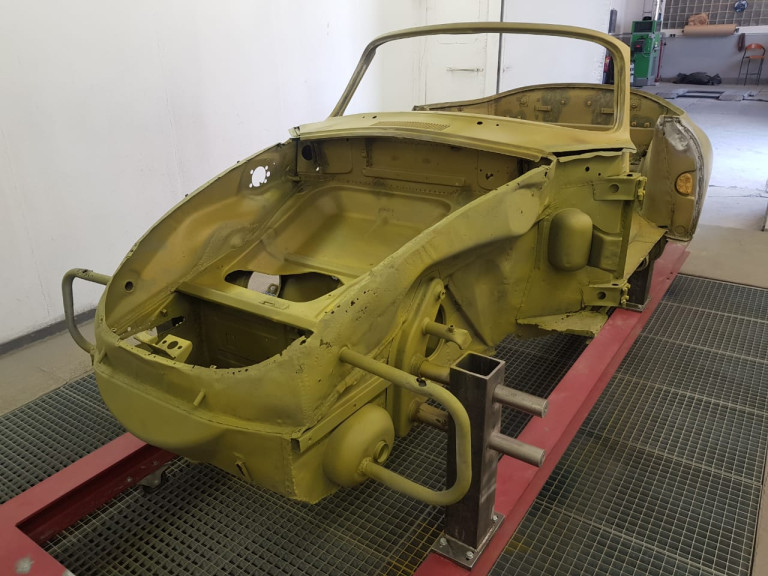
Due to the defects we identified, we decided to completely disassemble the convertible at the outset, stripping it down to the bare body. All components were inspected individually and documented.
We encountered age-related rust in various areas of the body. A thorough assessment always forms the basis for the project’s further course. Based on this, the appropriate processing and repair of the individual assemblies are incorporated into an overall restoration plan, which can then be coordinated with the customer.
Disassembly & paint removal
In consultation with the customer, the waterjet method was chosen for the complete removal of the old paint layers, as it is a particularly gentle option on the material. This approach avoids placing unnecessary stress on the original material structure. As a result, key features of the original bodywork constructed at the Porsche factory were preserved.
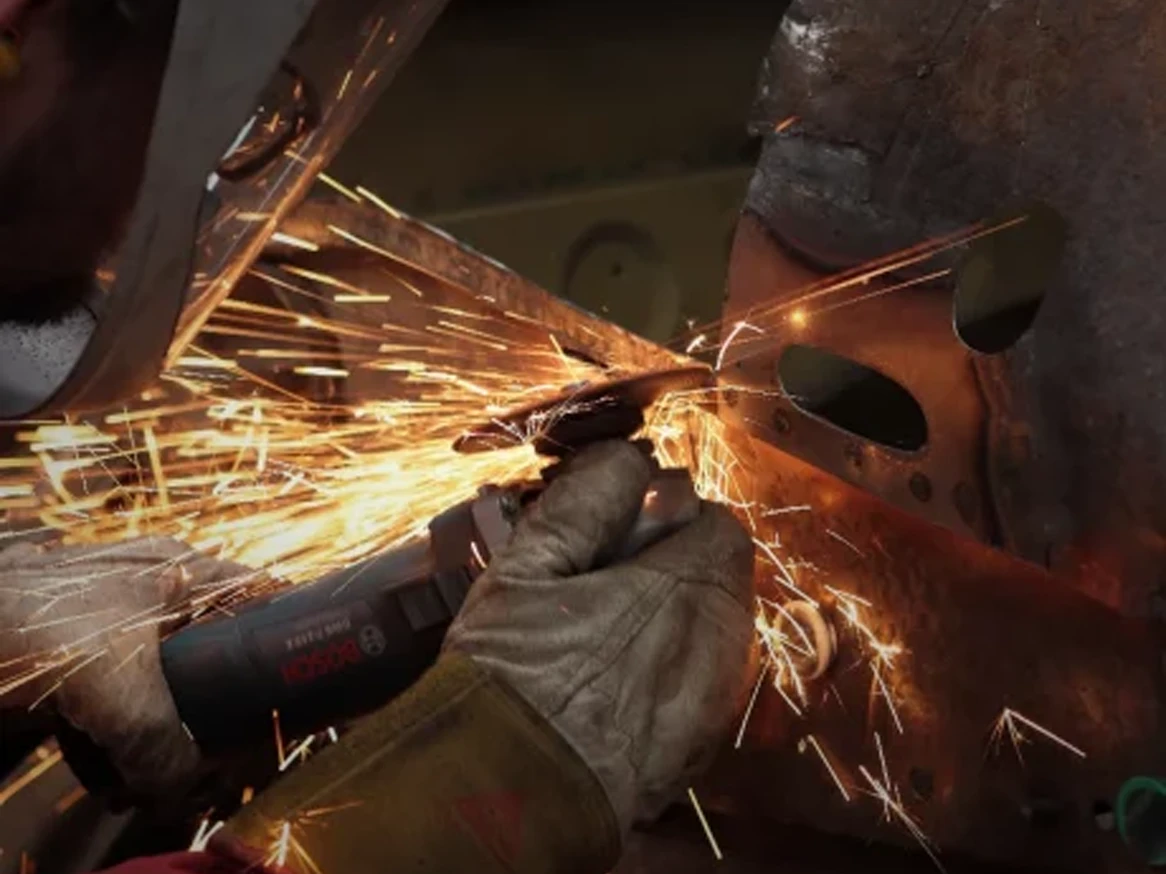
Subsequently, individual areas were partially sandblasted and treated to remove rust. The professional restoration was deliberately carried out selectively in order to preserve the original substance.
Bodywork
The repairs to the identified accident damage to the front and rear sections, as well as the precise restoration of the body geometry, were carried out on the frame jig. Thanks to precise alignment, all attachment points—and thus the gap dimensions—could be restored to meet original Porsche factory standards.
The original underbody assembly was preserved in its original condition.
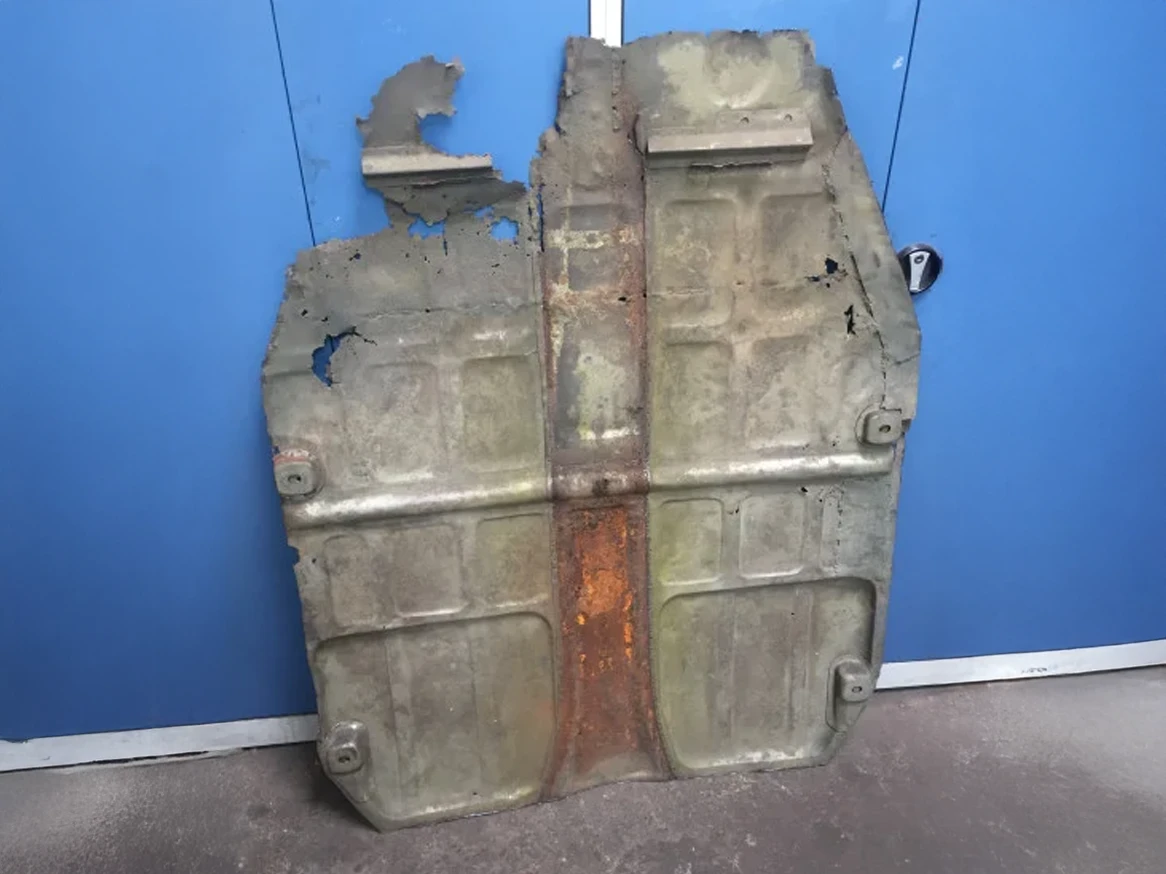
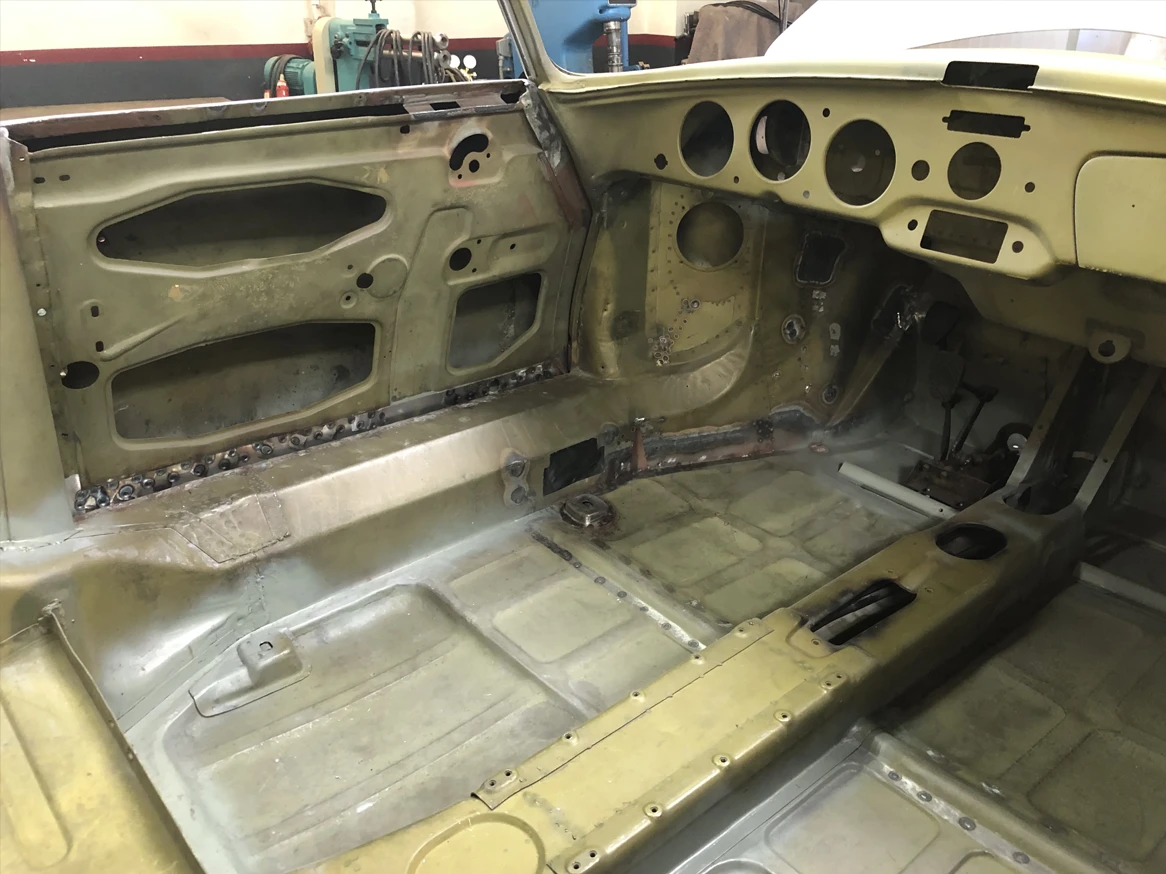

Paintwork: Originalfarbton 6204 – Ivory
After the bodywork was completed, the Porsche 356B Carrera 2 Cabrio was repainted in the original color 6204—Ivory—using the original paint system.
The high-quality paint job enhances the harmonious overall appearance and really brings out the clean lines and elegant design of the 356B Cabrio.
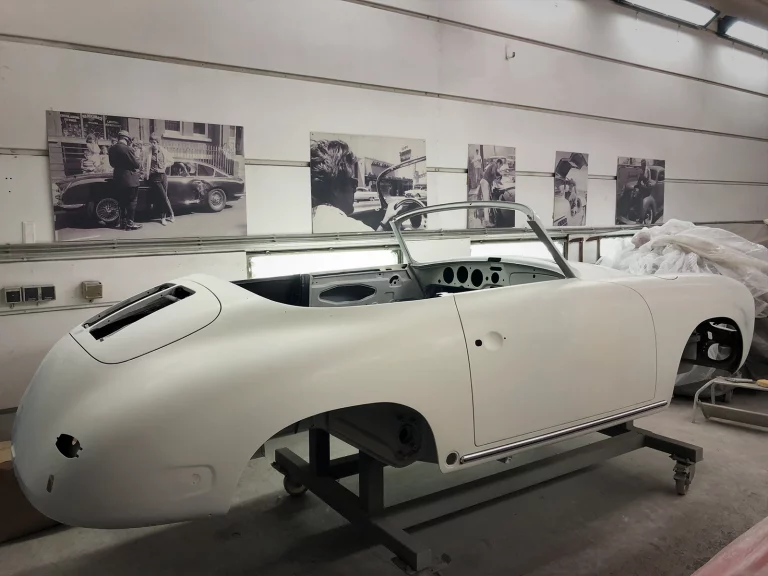
Technology at the service of history:
Reliability & Authenticity
In addition to the bodywork, the entire mechanical system was overhauled. Relevant mechanical components were inspected, repaired, and prepared for operation.
This made it possible to preserve the vehicle’s historic character while ensuring its reliable and safe use.
Project plan: Focus on originality
Attachments, design elements, and rubber parts
Signs of wear and age-related changes have been preserved where they are part of the vehicle’s history or character and do not compromise its function or safety.
All parts were also refurbished and reused.
The thorough and material-preserving refurbishment of individual components was a labor-intensive process and ultimately made it possible to achieve a final result that fully meets the highest standards of authenticity. Purchasing and installing reproduction replacement parts would have been significantly less expensive.
Interior and Convertible Top
The original upholstery and interior components have also been carefully restored. The leather interior exudes a dignified, aged patina that highlights the convertible’s unique character. The original soft top has been preserved, sealed, and reinstalled. The materials and ambience of the interior transport the driver back to the 1960s, allowing them to fully experience the charm of that bygone era.

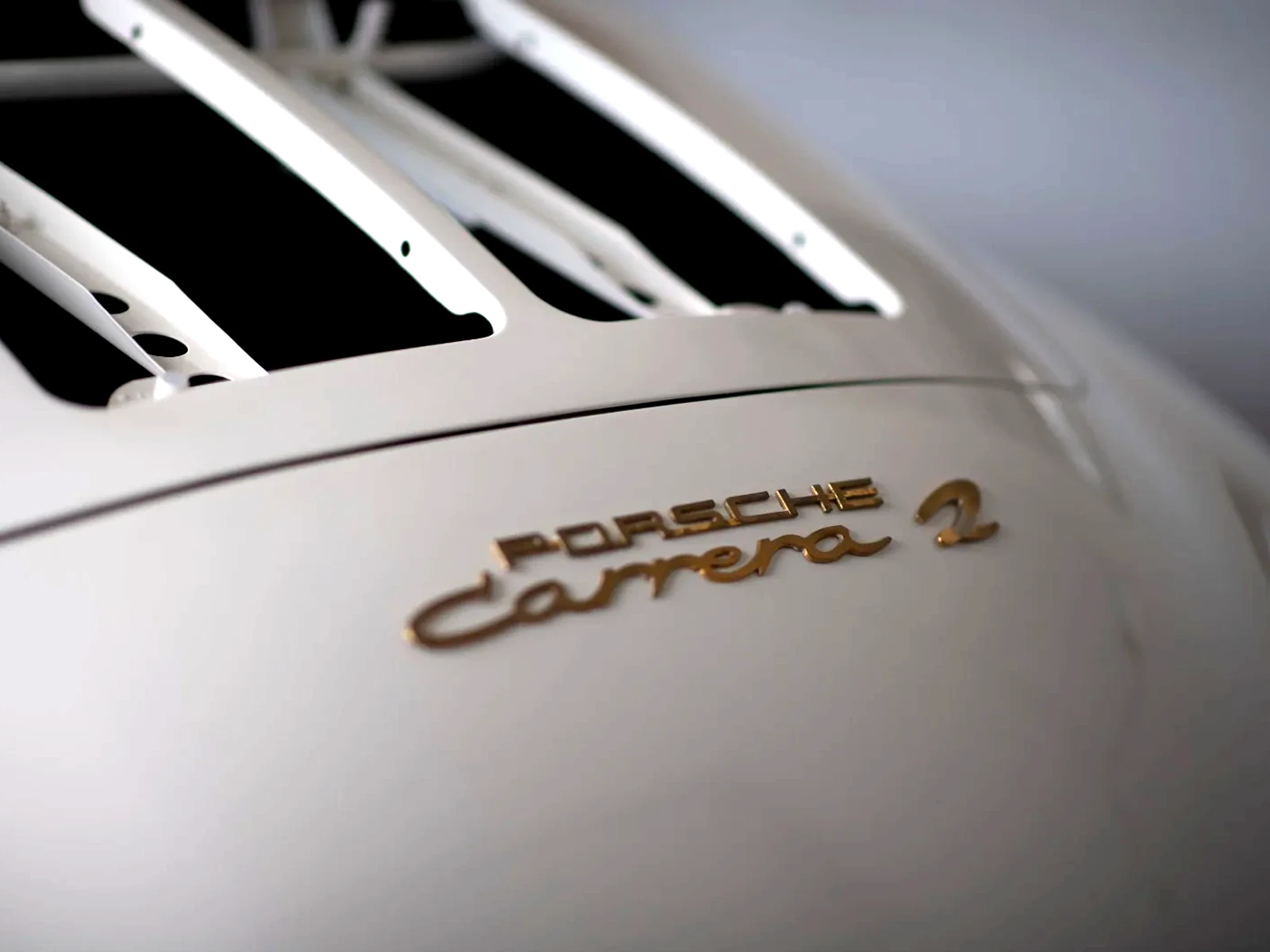
Documentation & valuation
Thanks to the comprehensive Hapke restoration documentation and detailed description of all restoration steps, the vehicle’s appraisal by a certified appraiser went very smoothly — a worthwhile investment.

Carefully maintained, digitally transparent documentation of all work performed underscores the vehicle’s authenticity and contributes significantly to the value of an exhibit.
Marcel Hapke, Founder & Managing Director